
The evolving role of SOS1 as a druggable target in RAS-driven cancer therapeutics
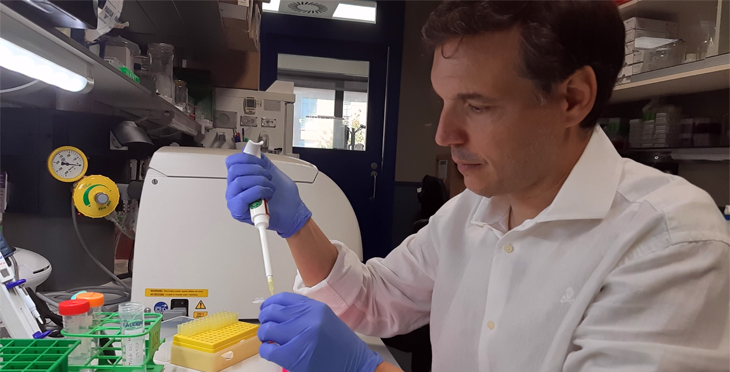
Fernando Calvo Baltanás
University of Seville
The impact of genetic ablation of SOS1 or SOS2 as well as the in vivo therapeutic efficacy and tolerability of BI-3406-mediated pharmacological inhibition of SOS1 in comparison to genetic ablation was evaluated in various KRAS-dependent experimental tumor settings. Contrary to the rapid lethality caused by SOS1 genetic ablation in SOS2KO mice, SOS1 pharmacological inhibition by its specific inhibitor BI-3406 did not significantly affect animal weight/viability nor cause noteworthy systemic toxicity. Allograft assays using different KRASmut cell lines showed that treatment with BI-3406 impaired RAS activation and RAS downstream signaling and decreased tumor burden and disease progression as a result of both tumor-intrinsic and -extrinsic therapeutic effects of the drug. Consistent with prior genetic evidence and the KRASmut allografts assays in immunocompromised mice, our analyses using an in vivo model of KRASG12D-driven lung adenocarcinoma (LUAD) in immunocompetent mice showed that single, systemic BI-3406 treatment impaired tumor growth and downmodulated protumorigenic components of the tumor microenvironment comparably to SOS1 genetic ablation or to treatment with the specific KRASG12D inhibitor MRTX1133. Furthermore, markedly stronger, synergistic antitumor effects were observed upon concomitant treatment with BI-3406 and MRTX1133 in the same in vivo LUAD mouse model. Our data confirm SOS1 as an actionable therapy target in RAS-dependent cancers and suggest that BI-3406 treatment may yield clinical benefit both as monotherapy or as a potential combination partner for multiple RAS-targeting strategies.